Belonging Means More Than Inclusion. It Means Shaping What Comes Next
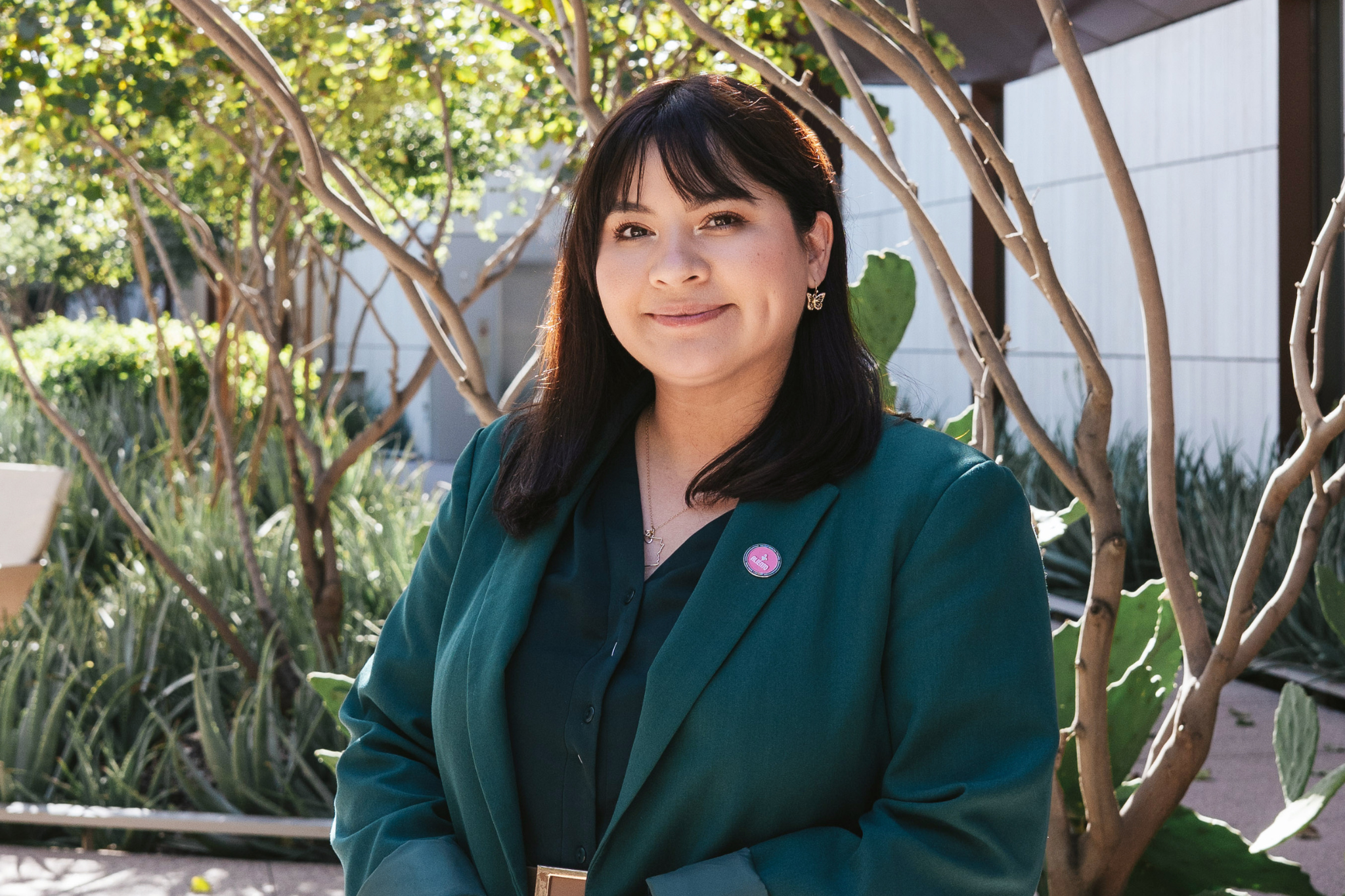
By Reyna Montoya, Founder & CEO of Aliento
For much of my life, belonging felt uncertain.
I was born in Mexico, and came to the U.S. with my family after fleeing violence. Arizona became home. It was where I grew up, went to school, found my voice, and eventually began imagining a future for myself. But growing up as an immigrant and later becoming DACAmented, I also learned that calling a place home and feeling that you truly belong there are not always the same thing.
That is ultimately what led me to create Aliento. Over the past decade, I have learned that inclusion and belonging are not the same. Inclusion means having a seat at the table. Belonging means knowing that you are valued once you get there, that your voice matters, your experiences matter, and that you have the power to help shape the future of your community.
At its core, Aliento began with a simple belief: Dreamers, first-generation students, children of immigrants, and immigrant families have the agency to shape their futures and their communities. Aliento creates spaces where our communities can find belonging, develop leadership, and use their voices to create change through education initiatives, arts and healing programming, leadership development, civic engagement, and advocacy.
Too often, people impacted by difficult systems are viewed only through the challenges they face. At Aliento, we see something far beyond that. We see lived experiences as sources of knowledge, empowerment, and catalysts of solutions.
Hispanic Heritage Month has given us the opportunity to reflect on Aliento’s 10 years of impact rooted in hope and action. I find myself thinking not only about where we started and what we have accomplished, but also about a more important question: Do we feel that we have a place in the future we are helping build?
For Aliento, that starts with having the agency to tell your own story and lead a strategy where we all belong.
Stories allow us to see people beyond the stereotypes that political debates and headlines too often reinforce. I’ve watched young people come to Aliento looking to be understood and seen. Something changes when people have the space to tell their own stories instead of having someone else speak for them. When they find connection in their experiences, invite others to their lived realities, and begin to see themselves not simply as people affected by decisions, they have the voice and power to influence them.
Storytelling can be a first step toward leadership. When young people recognize the value of their experiences and voices, they can help shape conversations and solutions that reflect the realities of the people and communities they affect.
The country is changing, and its future will depend on whether young people and families see themselves as participants in that future.
Communities become stronger when people are trusted to contribute and lead. For the past 10 years, Aliento has shown me what can happen when people have meaningful opportunities to exercise the agency they already possess. A young person looking for belonging can become an advocate for their family. A personal story can become a source of connection and collective action. Uncertainty can become a possibility.
The impact of this work is not only measured in policy wins, programs, or milestones (which I am for sure proud of!). It is reflected in the young person who finds the confidence to speak up, the parent who realizes they are not alone, and the community member who recognizes that their perspective belongs in conversations about the present and the future.
That is what Hispanic Heritage Month should ask us to consider. Celebrating our culture and history matters, but recognition alone is not enough. We also need to intentionally listen to people and co-create meaningful opportunities for all of us to participate in the decisions that impact our families and communities.
Aliento’s first 10 years have reinforced a lesson I have carried with me throughout this journey: people do not need someone else to give them agency. They already have it. What makes a difference is whether they have the opportunity and support to exercise it, and whether they know they belong in the spaces where decisions about their future are being made.
As I look toward Aliento’s next 10 years, I hope more young people and families across the nation grow up knowing they have a place in the future, and that their vision is essential in building it.